
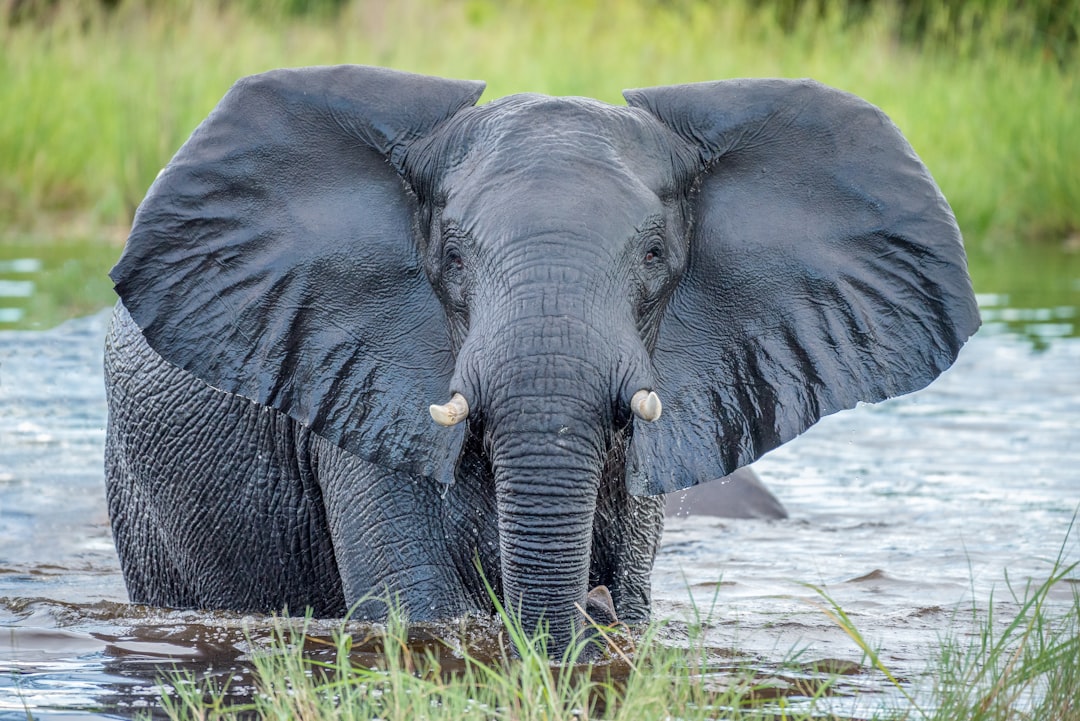
For most travelers, two to three nights in Chobe National Park is the sweet spot. That gives you time for at least two game drives along the Chobe Riverfront, a sunset boat cruise on the river, and a buffer for the slow mornings when wildlife makes you wait. If you only have one day, a Kasane-based day trip still delivers a real safari. If you have four or five days, you can push deeper into Savuti for a wilder, more remote experience. Here’s how to decide what’s right for your trip, budget, and travel style.
Can you see Chobe National Park in one day?
Yes — and a single day in Chobe is far better than skipping it. The classic day-trip format is a morning game drive along the Chobe Riverfront followed by an afternoon boat cruise, both starting from Kasane, the small gateway town on the park’s northeastern edge. Kasane sits right against the park boundary, so you spend your time watching wildlife rather than driving to it.
This is also why Chobe is one of the most popular day trips from Victoria Falls: the falls are roughly 80–90 km away, about a 90-minute drive, so tour operators run daily return trips across the border. It makes for a long day, but you can realistically stand under the spray of Victoria Falls in the morning and watch elephants swim across the Chobe River that same afternoon.
The trade-off of a one-day visit is depth. You’ll see the riverfront — the park’s busiest and most game-rich zone in the dry season — but nothing beyond it, and you’ll be moving on a fixed schedule rather than lingering when a leopard finally shows itself.
Why are two to three nights the sweet spot?
Wildlife doesn’t perform on demand. Over two to three nights you can do three or four game drives plus a boat cruise, which dramatically improves your odds of catching the moments Chobe is famous for: breeding herds of elephants crossing the river, lions on a buffalo kill, or a pack of wild dogs on the move. Chobe was declared Botswana’s first national park in 1967 and covers roughly 10,600 square kilometres, and the greater Chobe area holds one of the largest elephant concentrations on Earth — commonly estimated around 50,000 animals. Numbers like that reward repeat outings; our post on why Chobe is called the elephant capital of the world explains what makes these herds so extraordinary.
A typical two- or three-night rhythm looks like this: morning game drive (roughly 6–9 am, when predators are still active), midday rest at your lodge, then either an afternoon game drive or a three-hour sunset boat cruise. The boat cruise is not an optional extra — seeing elephants, hippos, and crocodiles from the water is a genuinely different safari, and for many visitors it’s the highlight of Botswana. With three nights you can do the cruise twice, once for wildlife and once purely for photography.
Staying inside or beside the park also means you’re at the gate when it opens, ahead of the day-trip crowds arriving from Victoria Falls mid-morning.
When is it worth staying four days or more?
Add a fourth or fifth day if you want to reach Savuti, the interior region of the park famous for its predators — particularly the lion prides and hyena clans that dominate the Savuti Marsh. Savuti is about 170 km from Kasane, but don’t let the number fool you: after the paved road ends, the track turns to deep sand, requires a proper 4×4, and the drive typically takes four to six hours. That travel time is exactly why Savuti doesn’t work as a day trip — it needs at least one night, realistically two, to justify the journey.
A five-day Chobe itinerary might look like: two nights on the riverfront, a travel day into Savuti, two nights there, then out via Maun or back to Kasane. This is also the format where self-drivers and mobile-camping safaris shine, since lodge-based Savuti stays sit at the premium end of the price range. For a sense of what each style costs, see our Botswana safari budgeting guide.
How should you split your time between game drives and boat cruises?
A good rule: for every two game drives, take one boat cruise. Game drives cover more ground and give you the predators; the river gives you behavior you simply cannot see from a vehicle — elephants swimming trunk-up between islands, hippos sparring, fish eagles striking the water. Photographers often prefer the boat because you shoot at eye level with the animals in soft late-afternoon light.
Birders should weight things even more heavily toward the water. The riverfront supports over 400 recorded species, and specials like African skimmers and carmine bee-eaters are best found by boat — our guide to Chobe River’s hidden wildlife and birding secrets covers what to look for beyond the elephants.
Does the season change how many days you need?
Somewhat. In the dry season (May to October), wildlife concentrates along the Chobe River because it’s the only reliable water for miles, so even one or two days deliver spectacular sightings — this is when those enormous elephant herds line the banks. In the green season (roughly November to April), animals disperse inland, sightings take more work, and an extra day meaningfully improves your odds. The green season compensates with newborn antelope, dramatic skies, migrant birds, and lower lodge rates. Our breakdown of the best time of year to visit Botswana’s top safari destinations goes month by month.
What does a well-paced three-day Chobe itinerary look like?
Day 1: Arrive in Kasane — via Kasane’s airport or the road transfer from Victoria Falls — and check in by early afternoon. Take the sunset boat cruise as your first activity. It’s the gentlest introduction to the park, and arriving elephants tend to gather at the river in the late afternoon heat.
Day 2: Early morning game drive along the riverfront while predators are still moving, back to the lodge for the midday lull, then an afternoon game drive on a different loop. Ask your guide to work the western sections of the riverfront, which day-trippers rarely reach.
Day 3: One final morning drive — dawn light on the river is the best photography of the trip — then depart after brunch. If your flight or transfer leaves late, a second boat cruise fills the afternoon better than a rushed third drive.
Travelers deciding where to sleep have two broad choices. Kasane town offers the widest range of accommodation, from guesthouses to riverside lodges, plus restaurants and shops within walking distance — it’s the practical, budget-flexible base. Lodges along the park boundary or on the river itself cost more but put you closer to the gate for first-light starts. Either way, book activities through your lodge or a licensed operator rather than trying to improvise on arrival; morning drives and cruises fill up in peak season.
How does Chobe fit into a longer Botswana itinerary?
Chobe is rarely a standalone destination — it’s the northern anchor of the classic Botswana circuit. The most common pairing is Victoria Falls (1–2 nights) → Chobe (2–3 nights) → Okavango Delta (2–3 nights), which packs three of Southern Africa’s headline experiences into about a week. Kasane’s international airport and the short transfer from Victoria Falls make Chobe the natural entry point, and light aircraft connect Kasane onward to the Delta camps.
If you’re planning that route, start with our full Chobe National Park safari guide for the riverfront, lodges, and logistics in detail.
The bottom line
One day in Chobe is worthwhile, two to three nights is ideal for the riverfront, and four to five days earns you Savuti. Whatever you choose, book the boat cruise — it’s the one Chobe experience nothing else in Botswana replicates.