
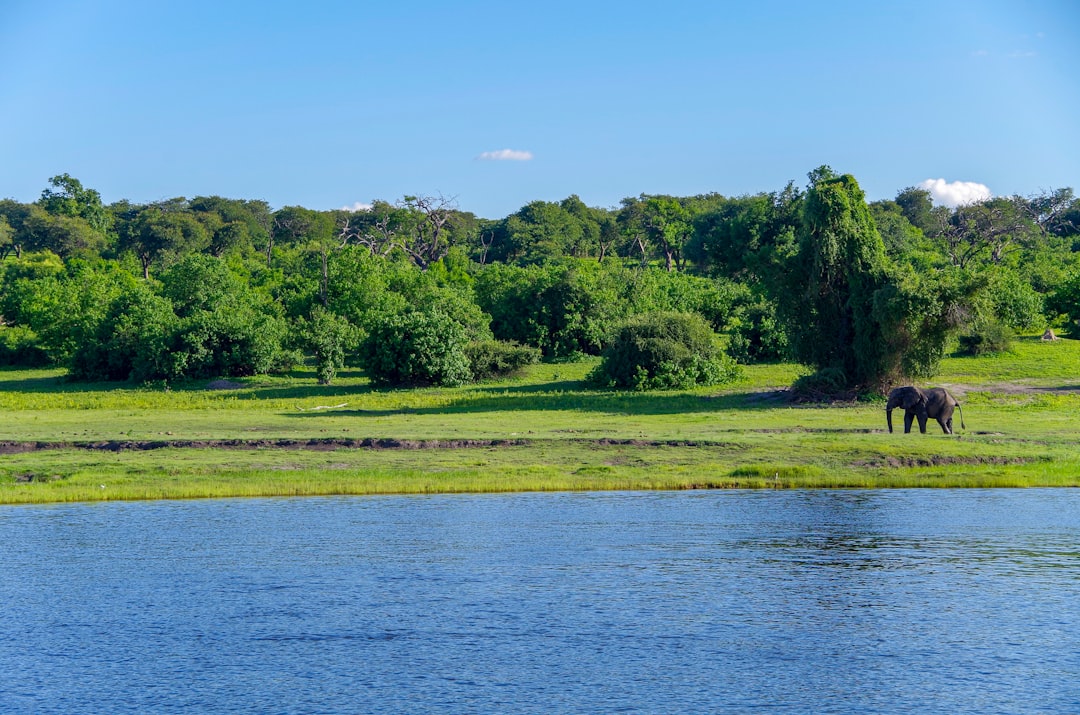
Kasane is the small town that unlocks one of Africa’s greatest wildlife destinations. Sitting at the northern tip of Botswana where four countries — Botswana, Namibia, Zimbabwe, and Zambia — converge on a single river system, it serves as the main gateway to Chobe National Park and the launching point for river cruises, game drives, and overland adventures across the region. If Chobe is on your itinerary, this guide tells you everything you need to plan your time in Kasane confidently.
Where Is Kasane and Why Does It Matter?
Kasane sits in the far northwest corner of Botswana, right where the Chobe River meets the Zambezi. The geography matters: within a 50-kilometre radius you can cross into Zimbabwe to visit Victoria Falls, enter Namibia via the Ngoma border, or take a ferry into Zambia. For safari travellers, this makes Kasane one of the most strategically placed stops in southern Africa — a place where you can spend three days on game drives and boat cruises, then continue to Victoria Falls or the Okavango Delta with minimal backtracking.
The town itself is small and easy to navigate. President Avenue runs through the centre and has everything you need: a supermarket, ATMs, a handful of restaurants, fuel, and the Chobe Marina, where the river cruise operators depart. You won’t spend much time in town — Kasane is a base, not a destination in itself — but it’s a good one.
How to Get to Kasane
Kasane International Airport (BBK) handles scheduled domestic flights and some regional connections. Air Botswana and other carriers link Kasane to Maun (roughly one hour) and Johannesburg (about two hours). Charter flights from Maun are common for travellers combining the Okavango Delta with Chobe — the standard northern Botswana circuit.
Overland, Kasane is about two hours from Victoria Falls in Zimbabwe and three hours from Livingstone in Zambia, making it a frequent add-on to a Victoria Falls trip. The Kazungula border post (Zimbabwe–Botswana) has improved significantly and most nationalities get visa-free or visa-on-arrival entry into Botswana. From Nata in central Botswana, a straight tarred road runs north to Kasane — roughly four hours if you’re driving from Francistown.
Many visitors arrive as part of a guided safari circuit. If you’re self-driving, note that Kasane has reliable fuel and 4WD rentals for those heading into the park independently, though road conditions inside Chobe vary by season.
What to Do in and Around Kasane
The primary draw is Chobe National Park, which begins effectively at the town’s edge. A full safari in Chobe combines two types of game viewing that complement each other: land game drives through the park interior, and river cruises along the Chobe River. Our Chobe National Park safari guide covers what to expect inside the park in detail, and our dedicated Chobe River boat cruise guide runs through cruise types, costs, and booking tips.
The river itself is reason enough to linger. Every afternoon, elephants come down to the water in herds that can number in the hundreds during peak dry season. From the boat, you’re at eye level with them as they wade, splash, and cross — one of the most photographed wildlife scenes in Africa. Hippo pods, Nile crocodiles, and exceptional birdlife (African fish eagles, carmine bee-eaters, pied kingfishers) are reliable sightings on almost every cruise. For a deeper look at what to spot from the water, see our Chobe River birding guide.
Beyond the park, there are a few other things worth knowing about in Kasane:
The four-country border point at Kazungula — where Botswana, Zimbabwe, Zambia, and Namibia all meet — is genuinely unusual and can be visited on a short excursion. It’s a quirk of colonial cartography and something few travellers see.
The Prison Tree near the town centre is a massive baobab tree with a hollow trunk that was reportedly used as a holding cell in the early colonial period. Worth a quick stop if you’re passing.
Fishing on the Chobe and Zambezi rivers is popular, particularly for tigerfish (best July–September) and bream. Several operators in Kasane run half-day fishing trips that can be combined with wildlife sightings.
Best Time to Visit Kasane
The dry season from May to October is peak season for wildlife viewing, and for good reason. As the surrounding bush dries out, elephants, buffalo, zebra, and antelope concentrate on the Chobe River in massive numbers. This is when boat cruises deliver the most spectacular encounters, and game drives are at their most productive. July and August see the highest visitor numbers — book accommodation well in advance if you’re travelling then.
The green season (November to April) brings rain, lush vegetation, and migratory birds that make the river exceptional for birdwatching. Wildlife disperses more widely, making land-based game viewing less predictable, but the landscapes are beautiful and prices at lodges drop considerably. Mosquito activity increases during and after the rains, so malaria precautions are more important in this period.
Where to Stay in Kasane
Accommodation spans a wide range, from riverside lodges with direct park access to simpler guesthouses in town. The main options:
Riverside lodges (Chobe Safari Lodge, Chobe Marina Lodge, Kubu Lodge) sit along the riverfront and offer the best combination of location and amenity. Most run their own game drives and river cruises, which simplifies logistics considerably. Rates range from around US$150 to US$300+ per night.
Luxury camps inside or adjacent to the park (Chobe Chilwero, Muchenje Safari Lodge) offer exclusive game viewing and a more immersive bush experience. These are significantly more expensive but deliver a different quality of safari.
Budget options in town (Old House, various guesthouses along President Avenue) serve independent travellers and overlanders well. You’ll arrange activities separately, but several reliable operators work out of the marina and can be booked on arrival in the shoulder and off seasons.
For help thinking through the budget across your whole trip, our Botswana safari budgeting guide breaks down costs across accommodation tiers and activity types.
Practical Tips Before You Go
Malaria: Kasane is in a malaria zone, with risk highest from October through April during and after the rains. Consult your doctor about prophylaxis before travel. Wear long sleeves and trousers after dusk and use a DEET-based repellent, particularly on river cruises at sunset.
Currency: Botswana uses the Pula (BWP). There are ATMs in Kasane, and most lodges and tour operators accept USD, ZAR, and major credit cards. Carry some local currency for smaller purchases in town.
Visas: Citizens of most English-speaking countries (UK, USA, Canada, Australia, EU nations) receive visa-free entry into Botswana for up to 90 days. Check requirements for your nationality before travel, especially if crossing multiple borders during your trip.
Mobile data: Mascom and Orange both have reasonable coverage in Kasane town, though signal drops inside the park. Download maps and any offline content before you head out on a full-day drive.
Health: No yellow fever vaccination is required to enter Botswana unless you’re arriving from a yellow fever-endemic country. Bring any prescription medications from home — the Kasane pharmacy has basics but limited stock.