
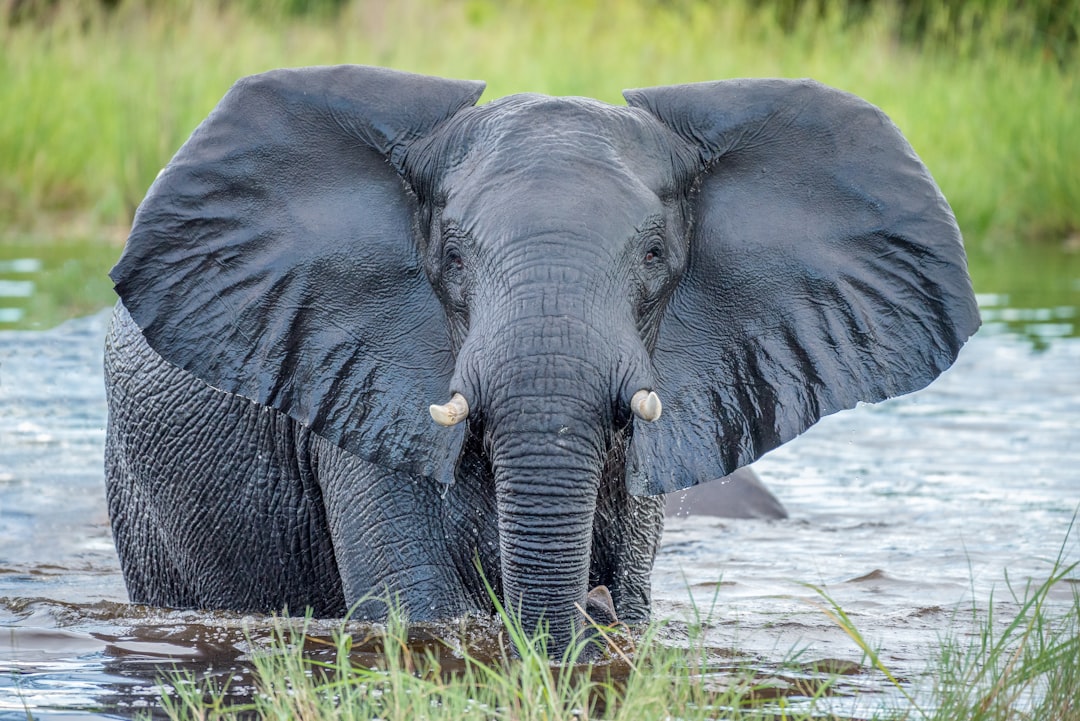
A Chobe safari can cost anywhere from about US$45 for a half-day trip out of Kasane to US$1,000 or more per person per night at a luxury riverfront lodge. Most travellers land somewhere in between: budget the equivalent of roughly US$150–US$400 per person per day for a comfortable guided experience that includes a game drive, a Chobe River boat cruise, park fees and a mid-range bed. What you actually pay comes down to three things — how you sleep, how you get around, and how many days you stay. Here is how each piece breaks down for 2026.
How much does a Chobe safari cost per day?
The single biggest driver of cost is your style of travel. As a working guide for 2026, expect roughly:
- Day-tripper (based in Kasane): about US$45–US$180 per person per day for a boat cruise, a game drive, or both, sleeping in a budget guesthouse or town hotel.
- Mid-range lodge safari: about US$350–US$650 per person per night, all-inclusive of meals, activities and park fees.
- Mobile tented safari: around US$650 per person per day for a guided camping trip that moves with the wildlife.
- Luxury lodge: from roughly US$900 to well over US$1,300 per person per night at the top riverfront and private-concession camps.
These figures assume you are already in the region. International flights, Botswana’s tourism levy and tips sit on top. For a full country-wide picture across every park, our Botswana safari budgeting guide walks through the numbers in more detail.
What are the Chobe National Park entry fees in 2026?
Chobe is classified as a Category A park — the same premium tier as Moremi — so its entry fees are among the highest in Botswana. For 2026, international (non-resident) visitors pay in the region of BWP 500 per adult per day, roughly US$35–US$40 depending on the exchange rate, plus a vehicle fee of about BWP 138 per day for a standard car under 3,500 kg. Children under 8 enter free, and those aged 8 to 18 receive a 50% discount.
Park fees are set by Botswana’s Department of Wildlife and National Parks and can change, so confirm the current rate when you book. If you travel on an organised lodge or mobile safari, these fees are almost always bundled into your package price — one reason all-inclusive rates look high at first glance. Separately, most visitors arriving in Botswana pay a one-off US$30 Tourism Development Levy, collected at airports and land borders.
How much is a Chobe day trip from Kasane?
If you are staying in Kasane, Victoria Falls or Livingstone, a day trip is the cheapest way to experience the park. Two classic activities dominate, and both can be booked as short half-day outings:
- Chobe River boat cruise: from around US$45 for a three-hour trip. The river is where Chobe earns its reputation — elephants, hippos, crocodiles and huge birdlife gather along the banks, especially on a late-afternoon sunset cruise.
- Game drive on the Chobe riverfront: similar pricing for a three-hour drive, typically with hotel pickup in Kasane and a good chance of lion, buffalo and the park’s famous elephant herds.
Many operators sell a combined boat cruise and game drive day package, often with lunch included, which is the best value if you only have one day. Prices climb for private boats, photography-focused small craft, or transfers from further afield such as Victoria Falls. To understand why the river is so productive, see our guide to why Chobe is called the elephant capital of the world.
What does a multi-day Chobe lodge or mobile safari cost?
Staying inside or right beside the park, on an all-inclusive basis, is where a safari becomes a proper multi-day experience — and where the price reflects everything being handled for you. Mid-range lodges around Kasane and the riverfront generally run US$350–US$650 per person per night, covering accommodation, all meals, and twice-daily activities. Boutique and luxury camps, including private concessions bordering the park, sit higher, from roughly US$900 to over US$1,300 per person per night.
Guided mobile tented safaris are a popular middle path: you camp in comfort and move between prime areas, at around US$650 per person per day. A week-long mobile camping safari taking in Chobe and neighbouring parks commonly lands in the US$3,000–US$5,000 per person range, including transfers, meals and park fees. Because Chobe pairs naturally with the Okavango, many itineraries combine the two; our Chobe National Park safari guide covers what to expect on the ground.
Is a self-drive Chobe safari cheaper?
Yes — a self-drive trip is usually the lowest-cost way to see Chobe if you are confident behind the wheel. You pay only your daily park entry and vehicle fees, campsite charges, fuel and a 4×4 hire, rather than a per-night all-inclusive rate. The trade-off is effort and risk: Chobe’s tracks are deep sand and, in the wet season, genuinely challenging, so a high-clearance 4×4 and some off-road experience are essential. Campsites inside and around the park must be booked well ahead, particularly in the busy dry months.
Self-drive suits independent travellers with time and confidence; first-timers often find a guided trip better value once fuel, vehicle hire and the learning curve are counted. If you would rather hand the logistics to an expert, browse vetted operators in our Botswana tour operators directory.
What is the cheapest way to do a Chobe safari?
For most visitors, the cheapest genuinely rewarding option is to base yourself in Kasane and do day activities. A budget guesthouse plus a shared boat cruise and a shared game drive can deliver an unforgettable day in the park for well under US$200 per person, all in. Because Kasane sits at the meeting point of four countries, you can even visit Chobe as a day trip from Victoria Falls, keeping accommodation costs on the Zimbabwe or Zambia side.
Ways to trim the bill further: travel in shoulder season, join group departures rather than private ones, and prioritise the river cruise if you have to choose a single activity — it consistently delivers the densest wildlife sightings for the money.
When is Chobe cheapest to visit?
Rates track demand, which tracks the weather. The dry season from roughly May to October is peak: wildlife concentrates on the river, sightings are spectacular, and lodges charge their highest rates and sell out first. The green season from November to March brings rain, lush scenery, superb birding and newborn animals — along with noticeably lower prices and better availability. If your budget matters more than guaranteed dry-season density, the shoulder months of April and November often hit the sweet spot. Our guide to the best time of year to visit Botswana’s safari destinations breaks the seasons down park by park.
Frequently asked questions
How much does a Chobe safari cost per day?
Roughly US$45–US$180 per person for a day trip from Kasane, about US$350–US$650 per person per night at a mid-range all-inclusive lodge, and from US$900 upwards at luxury camps. Guided mobile safaris average around US$650 per person per day.
What is the entry fee for Chobe National Park?
For 2026, non-resident adults pay in the region of BWP 500 per person per day (about US$35–US$40), plus roughly BWP 138 per vehicle per day. Children under 8 are free and 8–18-year-olds pay half. Fees are set by the Department of Wildlife and National Parks and can change.
Is a Chobe River cruise worth it?
For most visitors, yes — the cruise is Chobe’s signature experience, offering close, water-level views of elephants, hippos and prolific birdlife, and it starts from around US$45 for three hours, making it the best-value single activity in the park.
Is it cheaper to self-drive or book a guided Chobe safari?
Self-driving is usually cheaper if you have a 4×4, off-road experience and time to book campsites, since you pay only fees, fuel and hire. First-time visitors often find a guided or mobile safari better overall value once vehicle costs and logistics are included.