
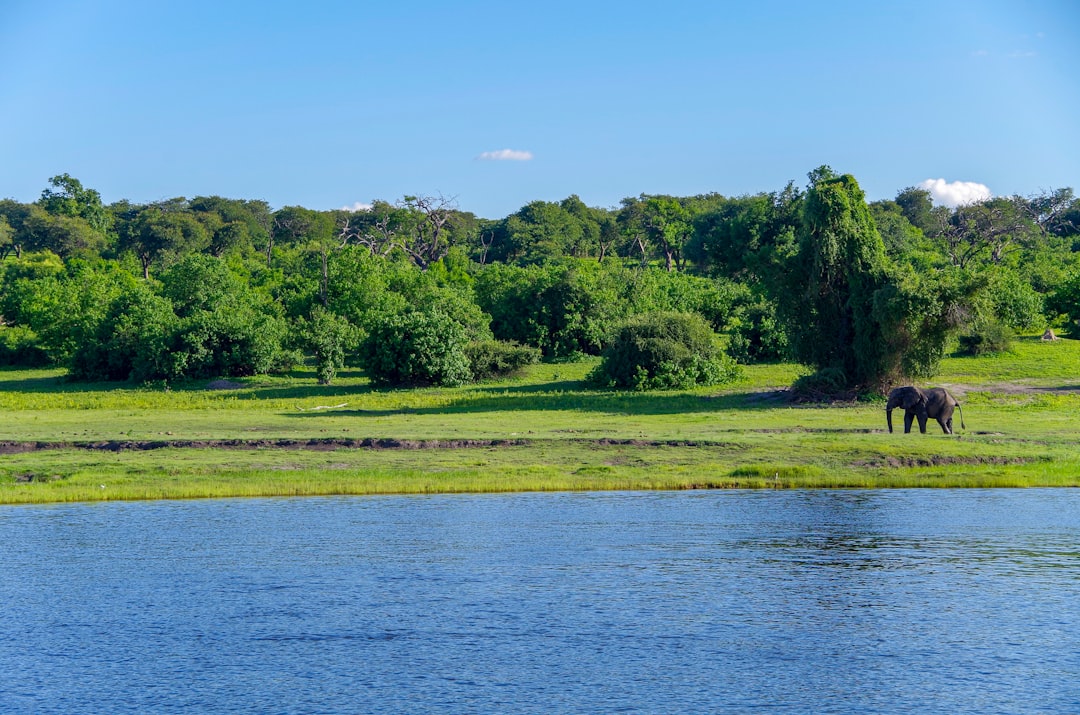
A Chobe River boat cruise is a roughly three-hour water-based safari along the northern edge of Chobe National Park, where you drift past riverbanks crowded with elephants, hippos, buffalo, and crocodiles instead of bouncing along dusty tracks in a 4×4. Most cruises leave from the town of Kasane, run either in the early morning or at sunset, and cost around US$40 per person for a shared seat. For many travellers it is the single best-value activity in northern Botswana, and on the Chobe Riverfront it routinely delivers closer, calmer wildlife sightings than a land game drive. Here is exactly what to expect, when to go, and what it costs.
What is a Chobe River boat cruise?
It is a guided game-viewing trip by boat along the Chobe River, which forms the northern boundary of Chobe National Park. Rather than driving through the bush, you board a flat, open boat at the Kasane jetty and cruise slowly upstream into the park, getting eye-level with animals that have come down to the water to drink, bathe, and graze.
The appeal is partly the wildlife and partly the comfort. Unlike a land safari, there is no dust, no bumpy roads, and a cooling breeze off the water the whole way. That makes it an easy, low-effort activity that suits families, older travellers, and anyone who wants a more relaxed pace. If you are still deciding how Chobe fits into a wider trip, our Chobe National Park safari guide covers the park as a whole, including the land-based game drives that pair naturally with a cruise.
What wildlife will you see on the Chobe River?
Elephants are the headline act. The Chobe region holds one of the highest concentrations of elephants in Africa, with herds that regularly number in the hundreds and sometimes the thousands — part of why Chobe is called the elephant capital of the world — and seeing them stream down to the river or cross it in single file is one of the defining images of a Chobe cruise.
Beyond elephants, the river supports large numbers of hippos and crocodiles year-round, plus herds of buffalo, giraffe, zebra, and impala that come to the bank to drink as the day cools. The park is also a birding stronghold, with over 460 recorded bird species, so kingfishers, fish eagles, bee-eaters, and storks are part of almost every trip. Lucky cruises occasionally turn up lion or leopard near the water’s edge, though these are never guaranteed. If birds are a priority for you, it is worth reading our deeper look at Chobe’s hidden wildlife and birding before you go.
Should you take a morning or sunset cruise?
Both are excellent, and the right choice depends on what you want from the trip. Morning cruises catch wildlife at its most active, when animals gather at the river to drink and feed before the heat builds, and the soft early light is ideal for photography in cool, comfortable air.
Sunset cruises are the classic Chobe experience. As temperatures drop in the late afternoon, big herds move down to the water, and the low sun turns the sky, the river, and the animals gold for that postcard light photographers chase. A typical sunset cruise runs about three hours and usually includes drinks on board. If you can only do one, the sunset cruise is the more atmospheric; if you are serious about wildlife numbers and photography, a morning departure is the quieter, often more productive pick. With two or more nights in Kasane, doing one of each is the ideal plan.
When is the best time of year for a Chobe River cruise?
The dry season, roughly May to October, is peak time, and the cruise only gets better as it goes on. As the dry months progress, waterholes across the wider park dry up and animals are forced toward the permanent water of the Chobe River, concentrating wildlife along the exact stretch the boats cover. From about August onward the riverfront is at its most spectacular. For a month-by-month view across the country, see our guide to the best time of year to visit Botswana’s top safari destinations.
The green season (November to March) brings lush scenery, newborn animals, and excellent birding as migratory species arrive, but wildlife is more dispersed because water is available everywhere, so river sightings can be thinner. If your trip is fixed to the wet months, prioritise a morning cruise and temper expectations on sheer elephant numbers.
How much does a Chobe River boat cruise cost?
A shared seat on a standard cruise is inexpensive by safari standards. Typical published rates run around US$40 per person for a morning or sunset cruise, about US$55 to US$65 for deluxe or lunch cruises, and roughly US$110 to US$140 for a full-day or luxury cruise. Shared group day tours that bundle a cruise with a land game drive, lunch, park fees, and Kasane transfers usually land in the US$135 to US$185 per person range.
On top of the cruise price you will normally pay Chobe National Park entry fees. Chobe is a Category A park, and the per-person client rate booked through a licensed Botswana operator is lower than the walk-up private rate paid at the gate, so booking a ticketed activity through an operator can actually reduce your park fee. Reputable operators fold these fees into the price, which is one reason a packaged tour is often the simpler choice. For how a cruise fits into total trip spending, our Botswana safari budgeting guide puts these figures in context.
How do you get to Kasane and book a cruise?
Nearly every Chobe River cruise departs from Kasane, a small town at Botswana’s northern tip that is well connected by both road and air. Kasane has its own airport with scheduled flights, and many visitors arrive overland from Victoria Falls or Livingstone, which are only about an hour’s drive away. Once in Kasane you are minutes from the river jetty where the boats board.
Booking is straightforward. Most Kasane lodges run their own cruises or arrange them for guests, and there are plenty of standalone operators and online platforms offering morning, sunset, and full-day options, often with free cancellation. Because Chobe is busy in peak dry-season months, reserving a day or two ahead is wise for sunset slots. To compare reputable, licensed providers, start with our Botswana tour operators directory.
Is a Chobe River cruise worth it?
For most visitors, yes. It packs an unusually high density of big game into a comfortable few hours, costs a fraction of a full safari day, and offers a perspective on elephants and hippos you simply cannot get from a vehicle. Pairing a river cruise with a land game drive gives you the best of both Chobe worlds: the water for sheer numbers and close water-edge sightings, the land for predators and the deeper bush. Build a cruise into any Chobe itinerary and it is likely to be one of the trip’s highlights.
Frequently asked questions
How long is a Chobe River boat cruise?
Most morning and sunset cruises last about three hours, including time to cruise upstream into the park and back. Full-day cruises run considerably longer and typically include lunch on board.
What is the best time of day for a Chobe cruise?
Morning cruises offer active wildlife and cool, soft light for photography, while sunset cruises deliver large herds at the water and golden evening light. Both are excellent; with two nights in Kasane, do one of each.
How much does a Chobe River cruise cost?
A shared morning or sunset cruise is typically around US$40 per person, with deluxe and lunch cruises higher and full-day options around US$140. Group day tours bundling a game drive, lunch, transfers, and park fees generally run US$135 to US$185 per person.
When is the best time of year to do a Chobe River cruise?
The dry season from May to October is best, especially August onward, when receding water across the park draws huge concentrations of wildlife to the Chobe River.
Where do Chobe River cruises depart from?
Almost all cruises leave from Kasane, which has its own airport and is about an hour’s drive from Victoria Falls and Livingstone. The boats board at the Kasane river jetty.